Why Bake Sourdough Bread? Unlocking Digestion, Flavor & Pure Ingredients
In an age where processed foods dominate supermarket shelves, the resurgence of traditional practices like baking sourdough bread offers a refreshing return to wholesome, natural eating. Far from being a fleeting trend, the art of crafting sourdough has captivated home bakers worldwide, not just for its rustic charm and incredible taste, but for a host of health benefits that modern bread simply can't match. If you've ever wondered why so many people are falling in love with this ancient loaf, the answers lie in its unique fermentation process, which profoundly impacts digestion, flavor, and nutritional purity.
The Ancient Art of Sourdough: More Than Just Bread
At its heart,
sourdough bread is a testament to natural fermentation. Unlike conventional breads that rely on commercial yeast for their rise, sourdough utilizes a living culture known as a sourdough starter. This starter is a harmonious ecosystem of wild yeasts and beneficial bacteria, cultivated simply from flour and water. These microorganisms work in synergy, breaking down the flour's components and creating the gas that makes the bread rise, all while developing its characteristic tangy flavor and robust texture.
Dating back thousands of years, sourdough baking is one of the oldest forms of breadmaking known to humanity. This method predates the isolation and commercialization of yeast, making every loaf a connection to culinary history. When you bake sourdough, you're not just making bread; you're engaging in a time-honored tradition that celebrates natural processes and patient craftsmanship.
Unlocking Unrivaled Flavor and Texture
One of the most immediate and delightful reasons to bake sourdough bread is its unparalleled sensory experience. A well-made sourdough loaf boasts a complexity of flavor that commercial breads simply cannot achieve. The prolonged fermentation process allows for the development of a deep, nuanced taste profile – often described as earthy, slightly sour, and utterly satisfying. Each bite offers a symphony of flavors, from the nutty undertones of the crust to the subtle tang of the crumb.
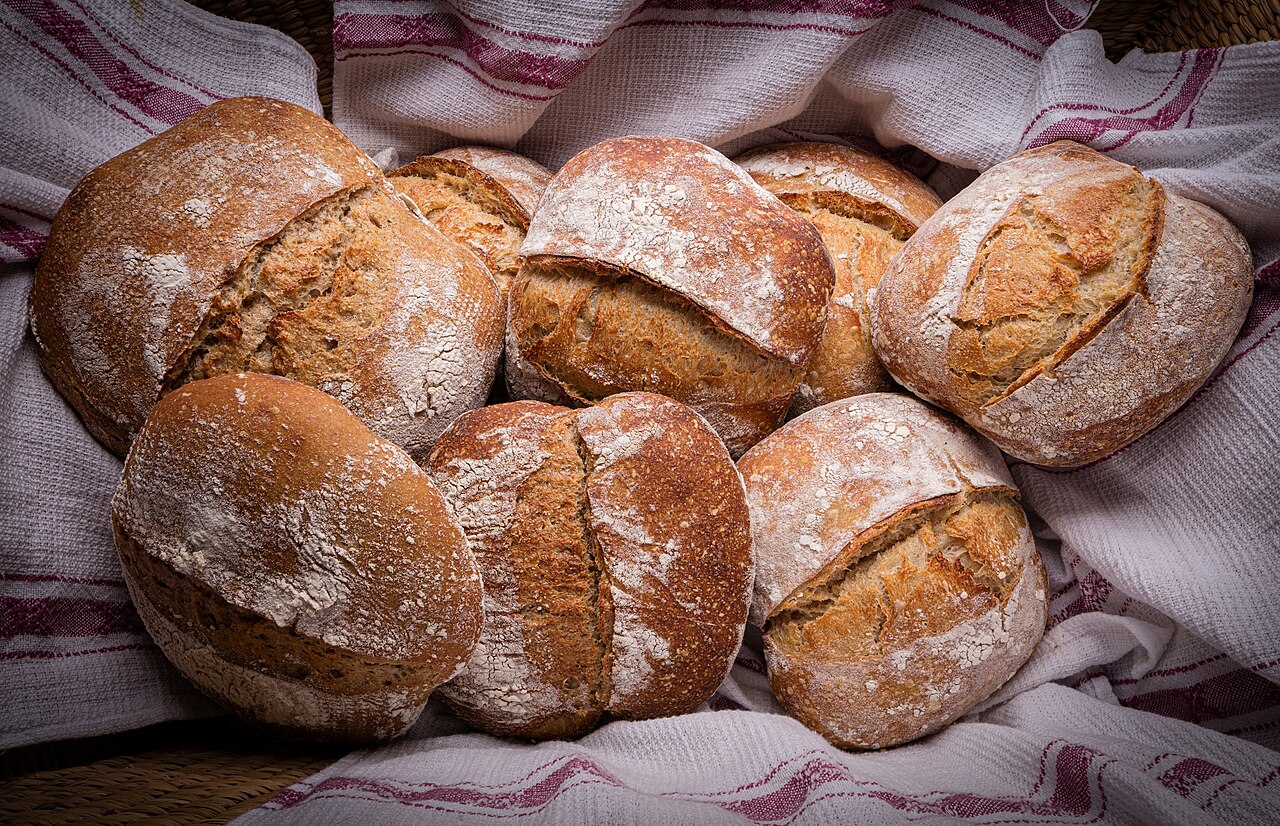
Beyond taste, the texture of sourdough is equally captivating. Imagine a gloriously crisp, golden crust that shatters gently as you slice into it, revealing an interior that is airy, chewy, and riddled with an open, irregular crumb. This isn't just aesthetic; the structure contributes to the mouthfeel and overall enjoyment. The "oven spring," the rapid rise the dough experiences in the initial minutes of baking, contributes to this impressive volume and airy texture, often guided by strategic "scoring" – the artful slashes made on the dough's surface just before it enters the oven. The extended cold fermentation (cold proofing) often employed in sourdough recipes plays a crucial role here, not only firming up the dough for easier handling but significantly intensifying both the flavor and the development of this desirable texture.
Aiding Digestion: The Sourdough Advantage
Perhaps the most compelling argument for baking and consuming sourdough bread lies in its remarkable digestive benefits. While not a gluten-free food, many individuals who experience sensitivity to conventional bread find sourdough much easier to digest. This is due to the diligent work of the wild yeasts and lactic acid bacteria in the sourdough starter.
Here's how sourdough makes a difference:
*
Gluten Predigestion: During the lengthy fermentation period, the bacteria and yeasts begin to break down gluten, the protein complex found in wheat. This process essentially predigests the flour, making the gluten proteins less challenging for our digestive systems to process. While individuals with celiac disease must still avoid sourdough made with wheat, those with non-celiac gluten sensitivity often report less bloating and discomfort after consuming sourdough.
*
Reduction of Phytic Acid: Grains naturally contain phytic acid (phytate), an antinutrient that can bind to minerals like iron, zinc, and magnesium, inhibiting their absorption. Sourdough fermentation activates phytase, an enzyme present in flour, which breaks down phytic acid. This means that the minerals in sourdough bread become more bioavailable, allowing your body to absorb more of the good stuff.
*
Beneficial Microbes: Though most of the beneficial bacteria in sourdough starter don't survive the high temperatures of baking, their activity during fermentation enriches the bread. The resulting bread may contain prebiotics, which are compounds that feed the beneficial bacteria in your gut, supporting a healthy microbiome. Furthermore, the absence of commercial yeast, which some people find irritating, can contribute to easier digestion for sensitive individuals.
Pure Ingredients, No Unwanted Additives
One of the most attractive aspects of baking sourdough bread at home is the complete control you have over its ingredients. A traditional sourdough loaf requires just four simple components: flour, water, salt, and your sourdough starter. That's it. There are no preservatives, no dough conditioners, no added sugars, and no artificial flavors often found in commercially produced breads.
By opting for
sourdough bread, you are choosing:
* **Transparency:** You know exactly what goes into your bread.
* **Purity:** You avoid the myriad of additives and chemicals that can prolong shelf life but offer little nutritional value.
* **Quality:** You can select high-quality flours, such as organic or stone-ground varieties, further enhancing the nutritional profile and flavor of your loaf.
This simplicity not only makes for a healthier bread but also connects you more deeply to the food you consume.
Embarking on Your Sourdough Journey: Tips for Beginners
While the idea of baking sourdough from scratch might initially seem intimidating, rest assured, it is a profoundly rewarding and achievable endeavor. The rhythm of fermentation, from preparing your active starter (sometimes called levain) to the final cold proof, becomes a meditative and enjoyable process. Many resources are now designed specifically for novices to guide you through each stage.
If you're ready to dive in, here are a few practical tips to get started:
*
Start Simple: Look for beginner-friendly recipes that use low-hydration dough (meaning less water relative to flour) and straightforward methods. Many recipes, like the ones you'll find in
Easy Sourdough Bread Recipe: Foolproof Steps for Beginners, deliberately simplify the process without compromising quality.
*
Get the Right Tools: While fancy equipment isn't necessary for your first loaf, a digital kitchen scale is non-negotiable for accurate ingredient measurement.
*
Understand the Timeline: Sourdough often involves a two-day process. The first day is typically for preparing your starter and mixing the dough, followed by the "bulk fermentation" (first rise) and "stretch and fold" techniques to build dough strength. The dough then usually undergoes a "cold ferment" in the fridge overnight. Day two is dedicated to baking. For a detailed guide on this, check out
Bake Your First Sourdough Loaf: A Simple 2-Day Beginner's Guide.
*
Embrace Patience: Sourdough is a journey, not a race. Give yourself plenty of time, especially for your first few attempts, perhaps over a weekend, to truly learn and enjoy the process. Don't be discouraged by imperfections; every loaf is a learning opportunity.
*
Learn the Lingo: Familiarize yourself with common sourdough terms like "fermentolyse" (initial rest after mixing flour, water, and starter), "bulk fermentation," "stretch & fold," "cold ferment," "scoring," and "oven spring." Understanding these terms will make recipes much clearer.
In conclusion, baking sourdough bread offers an incredible fusion of gastronomic pleasure and significant health benefits. From its deeper, more complex flavor and satisfying texture to its enhanced digestibility and pure ingredient list, sourdough stands apart from its commercial counterparts. It's a return to tradition, a mindful process, and a delicious way to nourish your body. So, why not embrace the warmth of your kitchen, cultivate a starter, and discover the magic of sourdough for yourself? Your taste buds and your gut will thank you.