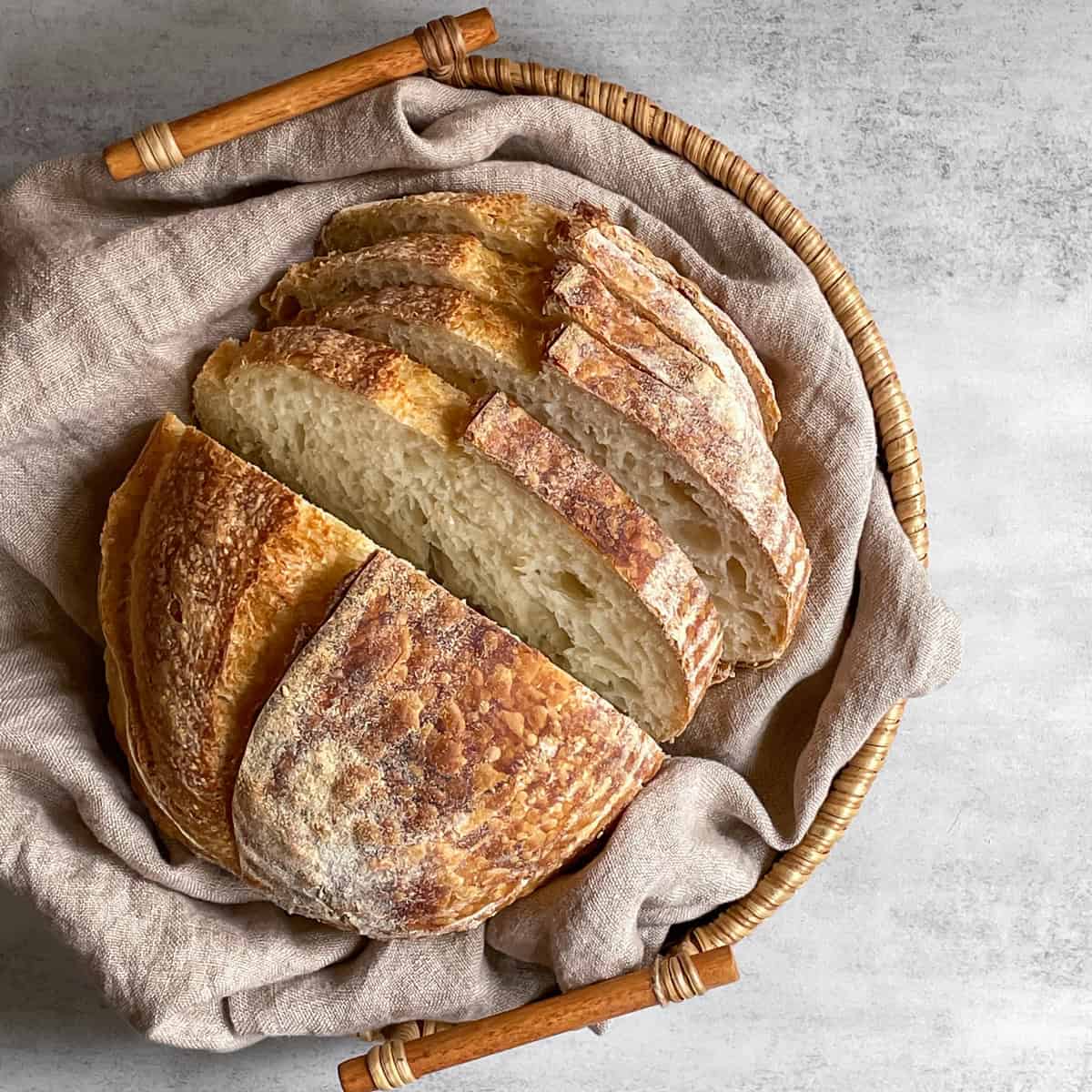
Bake Your First Sourdough Loaf: A Simple 2-Day Beginner's Guide
Embarking on your sourdough journey can feel like stepping into a complex culinary world, full of unfamiliar terms and intricate techniques. But what if we told you that baking your very first loaf of delicious, tangy
sourdough bread doesn't have to be daunting? This comprehensive, beginner-friendly guide is designed to strip away the complexities, offering a clear, step-by-step path to pulling a golden, crusty loaf from your oven in just two days. We'll focus on simplicity, demystifying the process so you can enjoy the magic of natural fermentation without feeling rushed or overwhelmed.
Unlike many advanced recipes, this approach prioritizes ease and accessibility. We'll utilize a forgiving, lower-hydration dough (around 68%) and streamline the methods, allowing you to build confidence with each successful step. Forget fancy tools and intimidating science for now – our goal is a beautiful, edible result that will leave you proud and eager to bake again.
Demystifying Sourdough: What You Need to Know First
Before we dive into the flour and water, let's establish a foundational understanding of what
sourdough bread is all about and why it's such a rewarding endeavor.
What Exactly is Sourdough Bread?
At its heart,
sourdough bread is an ancient form of breadmaking, tracing its origins back thousands of years. What sets it apart is its reliance on a "sourdough starter" – a living, symbiotic culture of wild yeasts and beneficial bacteria, rather than commercial yeast. This vibrant starter acts as the leavening agent, causing the dough to rise and imparting that signature tangy flavor and complex aroma that sourdough lovers adore. The natural fermentation process transforms simple ingredients into something truly extraordinary.
Why Embrace Sourdough Baking?
Beyond the satisfying act of creation, baking
sourdough bread offers a multitude of benefits:
*
Superior Flavor: Sourdough boasts a deep, complex flavor profile, often described as tangy, nutty, and subtly sweet, with an incredibly satisfying, crisp crust.
*
Easier Digestion: The long fermentation process breaks down gluten and phytic acid in the flour, making sourdough often much gentler on the digestive system for many people.
*
Pure Ingredients: Typically,
sourdough bread requires only flour, water, and salt – free from preservatives, additives, or commercial yeasts often found in store-bought breads.
To learn more about the amazing advantages, explore
Why Bake Sourdough Bread: Digestion, Flavor & No Additives.
Essential Sourdough Terminology for Beginners
While we're keeping things simple, understanding a few key terms will help you follow along confidently:
*
Sourdough Starter / Levain: These terms are often used interchangeably. It's your active, bubbly mixture of flour and water, teeming with wild yeast and bacteria, ready to leaven your dough. You'll need an active one to begin!
*
Fermentolyse: An initial rest period after mixing flour, water, and starter (before adding salt). This allows the flour to fully hydrate and gluten to begin developing naturally.
*
Bulk Fermentation (or First Rise): This is the crucial first long rise where the entire mass of dough ferments and "bulks up" at room temperature, developing flavor and structure.
*
Stretch & Fold: A gentle technique used during bulk fermentation to strengthen the dough's gluten structure without aggressive kneading. You literally stretch a portion of the dough up and fold it over itself.
*
Cold Ferment (or Cold Proof): The final fermentation stage, typically done overnight in the refrigerator. This slows down fermentation, deepening flavor and firming up the dough, making it much easier to handle and score before baking.
*
Scoring: Slashing the surface of your dough with a sharp blade (lame) just before baking. This controls where the loaf expands during oven spring and creates beautiful patterns.
*
Oven Spring: The rapid and dramatic rise of the dough during the first 10-15 minutes of baking, driven by steam and gas expansion within the loaf.
Gearing Up: Tools and Ingredients for Your First Loaf
One of the beautiful aspects of this beginner's
sourdough bread recipe is that it doesn't demand an arsenal of specialized equipment. Chances are, you already have most of what you need.
The Bare Essentials: What You'll Need
*
Digital Kitchen Scale: This is arguably the most crucial tool. Accuracy is key in sourdough baking, and measuring by weight ensures consistent results.
*
Large Mixing Bowl: For combining ingredients and bulk fermentation.
*
Rubber Spatula or Danish Dough Whisk: For mixing your dough without getting too sticky.
*
Bench Scraper (Optional but helpful): For handling sticky dough and shaping.
*
Proofing Basket (Banneton) or a Bowl lined with a Floured Tea Towel: This holds the dough's shape during the cold proof.
*
Dutch Oven or Heavy Pot with a Lid: Essential for baking to trap steam, creating that coveted crust and maximizing oven spring. If you don't have one, some recipes adapt for baking on a baking stone with steam trays.
*
Sharp Knife or Lame: For scoring the dough.
Gathering Your Ingredients
For a single loaf of
sourdough bread, using roughly 500g of flour, you'll need:
*
Active Sourdough Starter (or Levain): This is your primary leavening agent. Ensure it's active and bubbly, having been fed 4-12 hours prior and showing signs of vitality (doubled in size, floats in water). If you don't have a starter, you'll need to create one (which takes about a week) or acquire one from a friend or bakery.
*
Flour: A good quality bread flour is ideal for its higher protein content, which develops strong gluten. All-purpose flour can work, but bread flour yields better structure. You'll also need a small amount of whole wheat flour for feeding your starter.
*
Water: Filtered tap water is best, free from chlorine which can harm your starter's microbes.
*
Salt: Non-iodized sea salt or kosher salt is preferred.
Pro Tip: Always ensure all your ingredients are at room temperature before you begin. This promotes more consistent fermentation.
Your Simple 2-Day Sourdough Baking Timeline
This
sourdough bread recipe is perfectly designed to fit into a weekend, allowing you ample time to follow each step without feeling rushed.
Day 1: Building Momentum
The first day is all about preparing your starter and developing the dough.
*
Morning (8:00 AM - 10:00 AM): Activating Your Starter (Levain Preparation)
Feed your sourdough starter. Take a small amount of your mature starter and mix it with fresh flour and water in a clean jar. Let it sit at room temperature for 4-8 hours until it's active, bubbly, and has roughly doubled in size. This "levain" is what you'll use for your dough. (Alternatively, you can prepare your levain overnight the evening before, letting it activate while you sleep).
*
Afternoon (2:00 PM - 4:00 PM): Mixing Your Dough & Fermentolyse
Once your levain is active, it’s time to mix the main dough. Combine your active levain, flour, and water in a large bowl. Mix until no dry spots remain, then cover and let it rest for 30-60 minutes. This is your fermentolyse period, allowing the flour to fully hydrate. After the rest, incorporate the salt, mixing thoroughly until evenly distributed.
*
Late Afternoon/Evening (4:00 PM - 8:00 PM): Developing Strength (Bulk Fermentation with Stretch & Folds)
This is the bulk fermentation phase, where the dough truly comes alive. Over the next 3-4 hours, you'll perform a series of "stretch and folds" every 30-45 minutes. With wet hands, gently stretch a portion of the dough up from the bowl and fold it over itself. Rotate the bowl and repeat 3-4 times for one "set." You'll notice the dough becoming smoother and more elastic with each set. Cover the dough between sets. The exact duration depends on your room temperature; you're looking for the dough to increase in volume by about 30-50%.
*
Evening (8:00 PM - 9:00 PM): Shaping and Cold Proofing
Once bulk fermentation is complete, gently turn your dough out onto a lightly floured surface. Shape it into a round or oval, creating tension on the surface. Transfer the shaped dough, seam-side up, into your floured proofing basket (banneton). Cover the basket with a plastic bag or wrap and place it in the refrigerator for an overnight cold proof (12-16 hours). This slow, cold ferment develops incredible flavor and also firms up the dough, making it much easier to handle and score the next morning.
Day 2: The Grand Bake
The moment of truth arrives!
*
Morning (9:00 AM - 10:00 AM): Preheat and Prepare
Preheat your oven with your Dutch oven inside to 450-500°F (230-260°C) for at least 30-60 minutes. This ensures your Dutch oven is super hot, crucial for oven spring.
*
Baking: Achieve that Golden Crust and Open Crumb
Carefully remove the hot Dutch oven from the oven. Gently invert your cold-proofed dough into the hot pot. Using a sharp lame or razor blade, score the top of your loaf. Cover the Dutch oven with its lid and bake for 20-25 minutes. Then, remove the lid and continue baking for another 20-30 minutes, or until the crust is deeply golden brown and sounds hollow when tapped.
*
Cooling: The Final (Crucial) Step
Resist the urge to slice immediately! Transfer the baked
sourdough bread to a wire rack and let it cool completely for at least 1-2 hours. This allows the internal structure to set and steam to escape, preventing a gummy interior and maximizing flavor.
Tips for a Successful First Bake
*
Don't Rush the Process: Sourdough works on its own schedule. Use the weekend to your advantage, giving yourself ample time for each step. Patience is a virtue in sourdough baking.
*
Trust Your Starter: An active, healthy starter is key. If your starter isn't bubbly and active, it won't properly leaven your bread.
*
Observe, Don't Just Follow a Clock: While timelines are helpful, pay attention to your dough. How it feels, how much it has risen, and its texture are often better indicators than strict timings, as environmental factors like temperature vary.
*
Embrace Imperfection: Your first loaf might not be picture-perfect, and that's perfectly okay! Every bake is a learning experience. Focus on the taste and the process, and celebrate your accomplishment.
*
Measure Accurately: We can't stress this enough – a digital kitchen scale is non-negotiable for precise measurements.
*
Temperature Matters: The ambient temperature of your kitchen will affect fermentation times. Warmer environments speed things up, cooler ones slow them down. Adjust accordingly.
Ready to dive deeper and explore even more foolproof steps? Check out our article on
Easy Sourdough Bread Recipe: Foolproof Steps for Beginners for additional guidance and troubleshooting tips.
Congratulations! You've just taken the first exciting step into the rewarding world of baking your own
sourdough bread. This simple 2-day guide is designed to empower you, proving that crafting a delicious, homemade loaf is well within your reach. With each bake, you'll gain confidence, refine your intuition, and develop a deeper appreciation for this ancient craft. So, go ahead, activate that starter, get your hands a little doughy, and prepare to impress yourself with the incredible flavor of your very own artisan sourdough!